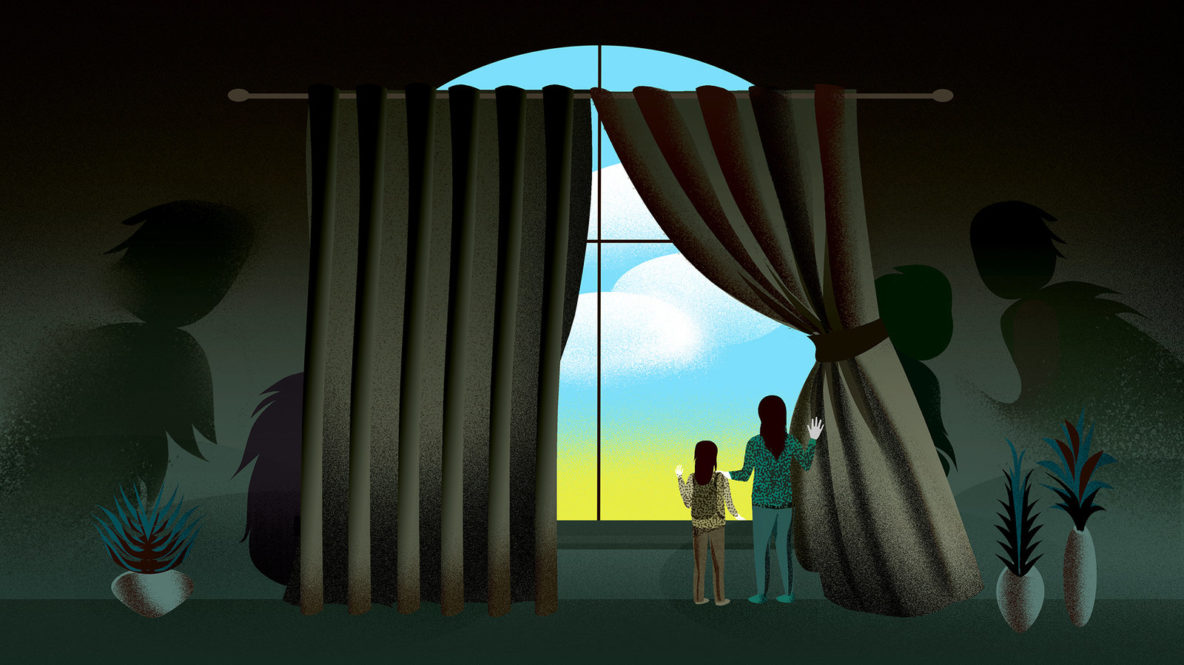
Parents of tweens and teens often shrug off such anxious and gloomy thinking as normal irritability and moodiness — because it is. Still, the beginning of a new school year, with all of the required adjustments, is a good time to consider just how closely the habit of negative, exaggerated “self-talk” can affect academic and social success, self-esteem and happiness.
Psychological research shows that what we think can have a powerful influence on how we feel emotionally and physically, and on how we behave. Research also shows that our harmful thinking patterns can be changed.
You may not be of much help when it comes to sharpening your son’s calculus skills. But during my 35-plus years of clinical practice it’s become clear to me that parents can play a huge role in helping their children to develop a critical life skill: the ability to take notice of their thoughts, to step back and view the bigger picture, and to decide how to act based on that more realistic perspective.
Taking heed of an alarmist or pessimistic inner voice is a universal experience. It has survival value; it often protects people from danger. And it’s often true that a worrying thought can act as a motivating force – to study, for example. To read more from Mary Alvord, click here.